Many companies plan events as they come up. A festival arrives, a town hall is announced, or leadership asks for an offsite. Planning begins late, costs rise and teams rush to make things work. This approach creates stress every year. A better way is to plan ahead.
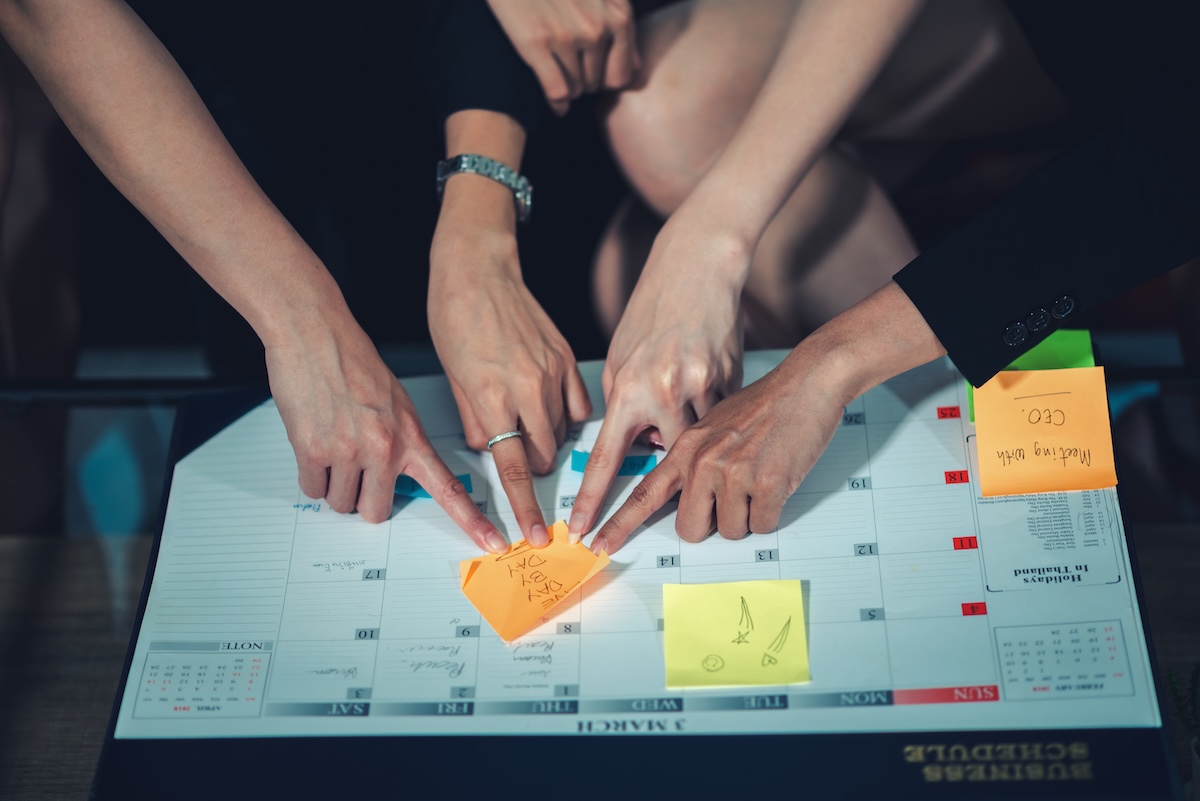
A structured calendar makes a big difference. Corporate event calendar planning helps Chennai companies organise the year, manage budgets better and avoid last-minute decisions. If you handle corporate events Chennai teams depend on, this guide will help you plan 2026 with clarity and control.
An event calendar gives you visibility. You know what is coming up, how busy certain months will be and where budgets may stretch. This helps you plan realistically instead of reacting under pressure.
When events are planned early, venues are easier to book and vendors offer better availability. Teams also get time to prepare. Internal coordination improves and approvals move faster.
Most importantly, a calendar helps maintain consistency. Employees know what to expect throughout the year, which improves participation and engagement.
A strong event calendar is more than a list of dates. It should give teams clarity on what is planned, why it matters, and how it will be managed.
Breaking the year into phases makes yearly event planning easier. Here is a simple structure most Chennai companies follow:
The year usually begins with goal setting and alignment. New Year kick-off meetings or town halls are common. Republic Day celebrations also happen in this period.
Some companies schedule annual strategy meets or leadership sessions during these months. Employee engagement activities work well too, as teams return from holidays and settle into routines.
This period marks the start of the new financial year. Budget communication sessions and department meets should happen here.
Training programmes, skill-building workshops and team off-sites are usually planned during these months. CSR activities also fit well, especially those linked to education or health.
Weather conditions in Chennai during this time may affect outdoor plans, so indoor venues are often preferred.
Mid-year reviews and leadership meetings are common during this phase. Independence Day celebrations take place in August and are usually simple but meaningful.
Team-building activities and Family Days also work well during these months. Planning early helps in securing venues before the festive rush later in the year.
This is the busiest phase for most companies. Festive celebrations like Diwali and Christmas are planned here. Annual Days and Awards Nights often take place towards the end of the year.
Year-end town halls, team celebrations and wrap-up sessions are also common. Because demand is high, early bookings are especially important during this period.
Not every event needs the same level of time, budget, or attention. Prioritising early helps teams focus on what truly matters.
An event calendar works best when budgets are planned alongside it. This avoids sudden cuts or last-minute approvals:
Many issues repeat year after year because of avoidable planning gaps, including:
Agencies can add value at the planning stage itself. They help structure the full-year calendar and flag high-effort events early.
Helios Event Productions works closely with Chennai companies throughout the year. Our team supports corporate event calendar planning from concept to execution.
Helios helps teams create realistic calendars that match budgets, timelines and internal capacity. We assist with vendor coordination, venue planning and smooth execution across multiple events. For companies managing frequent corporate events, Chennai teams should rely on Helios: we provide continuity and clarity throughout the year.
A corporate event calendar removes guesswork. It helps teams plan with confidence and reduces last-minute stress. With a clear view of the year, companies can manage budgets better and deliver stronger events.
For Chennai companies planning 2026, treating event planning as a yearly process rather than a monthly task makes a real difference.
If you want support with planning and executing your 2026 event calendar, Helios Event Productions can help you structure the year and deliver each event smoothly.
Visit Helios to start planning your corporate events with clarity.
An event calendar helps avoid last-minute planning, manage budgets and keep employee engagement consistent through the year.
National days, Annual Day, festive celebrations, leadership meets and major engagement activities should be planned in advance.
Large events should be planned and booked at least three to six months ahead, especially during peak seasons.
HR, admin, or internal communications teams usually manage calendars, with input from leadership.
Yes. Agencies help structure timelines, estimate budgets and coordinate execution across the year.
Whether you’re planning a grand gala, an impactful conference, or a team-building retreat, Helios Event Productions is dedicated to delivering unparalleled event experiences tailored to your organization’s unique needs.